
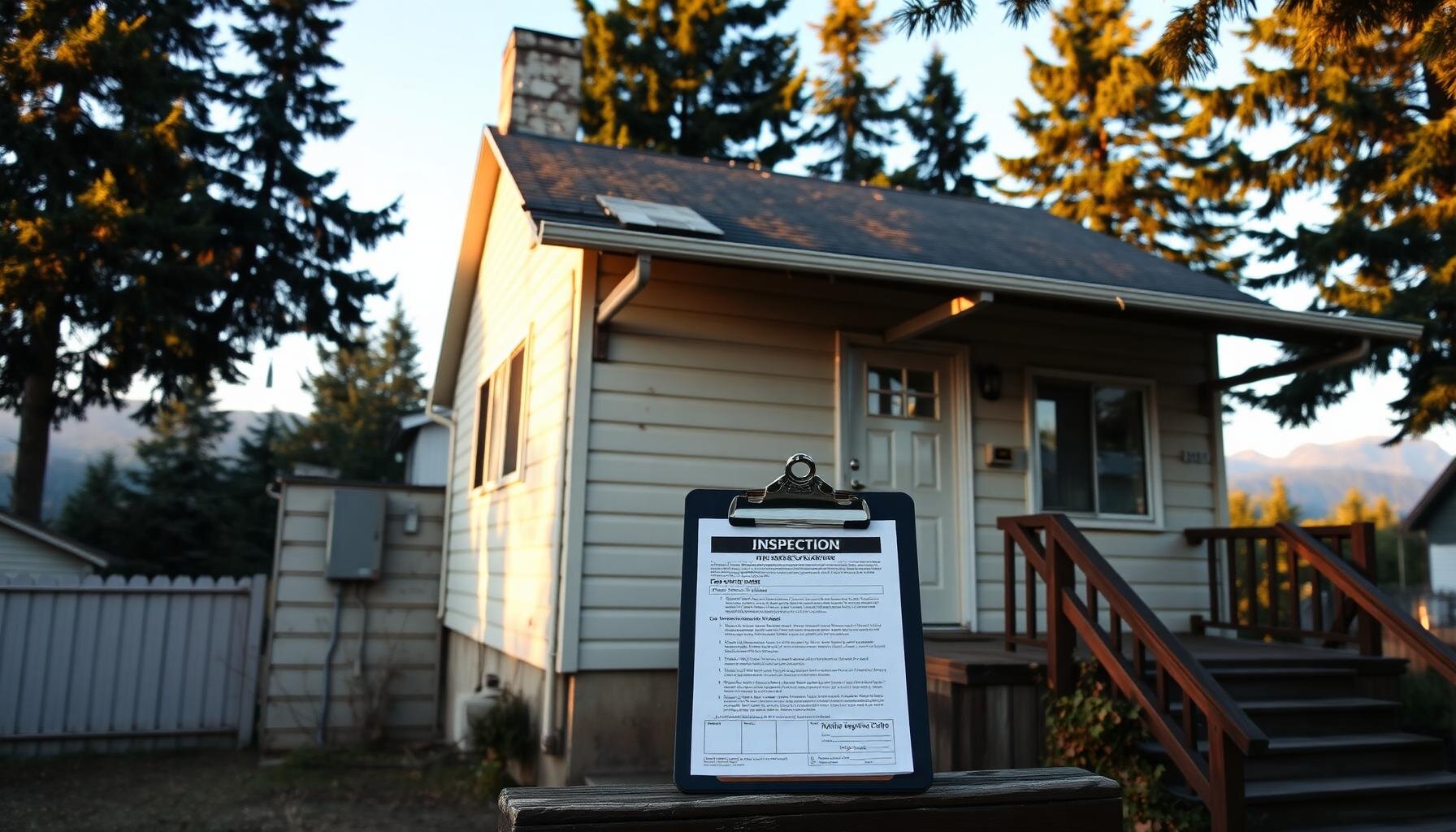
Selling a house with code violations in Washington State can feel overwhelming. Many homeowners assume they must fix everything before selling—but that’s not always true.
In reality, you can still sell a house with code violations, even if repairs are not completed.
Can You Sell a House With Code Violations?
Yes, you can sell a property that has code violations in Washington State.
However, there are a few important things to understand:
- Traditional buyers may struggle to get a mortgage
- Lenders often require homes to meet basic safety codes
- Serious violations can reduce buyer interest
Because of this, many homeowners choose to sell as-is instead of making repairs.
What Causes Code Violations?
Code violations usually happen when a property does not meet local building or safety standards. Common issues include:
- Electrical problems or outdated wiring
- Plumbing leaks or faulty systems
- Pest or rodent infestations
- Structural damage
- Missing safety features (smoke detectors, etc.)
- Unpermitted additions or renovations
Even older homes that were once compliant can develop violations over time as building codes change.
Do You Have to Fix Code Violations Before Selling?
No, you are not always required to fix code violations before selling your home.
However:
- Some cities may require safety-related fixes
- Buyers using mortgages may demand repairs
- Severe violations can trigger inspection issues
If the home poses health or safety risks, repairs may be required depending on local rules.
Your Options for Selling a House With Code Violations
If your home has code issues, you generally have three options:
1. Fix the Problems Before Selling
The first option is repairing the violations yourself.
This can include:
- Electrical upgrades
- Plumbing repairs
- Pest control
- Structural fixes
✔ Pros:
- Higher selling price
- Easier to sell to traditional buyers
❌ Cons:
- Takes time and effort
- Can be expensive
2. Sell the House at a Lower Price
You can also reduce the asking price and sell the home as-is.
This allows buyers to handle the repairs after purchase.
✔ Pros:
- No repair work upfront
- Faster than full renovation
❌ Cons:
- Mortgage approval may still be difficult
- Fewer interested buyers
- Buyers may still walk away due to repair costs
3. Sell to a Cash Buyer (Fastest Option)
The most common solution is selling to a cash home buyer.
Cash buyers can purchase properties:
- With code violations
- Without repairs
- Without inspections or lender approval
Companies like Santi Buys Houses buy homes as-is and handle all repairs after closing.
✔ Pros:
- Fast closing
- No repair costs
- No agent fees or commissions
- No lender restrictions
Why Code Violations Make Selling Difficult
Most traditional buyers use bank financing. Banks usually require:
- Safe electrical systems
- Working plumbing
- No major structural risks
If the home fails inspection, the loan may be denied. This is why homes with code violations often sit on the market longer.
Common Code Violations in Washington Homes
Some of the most common issues include:
- Outdated electrical panels
- Water damage or leaks
- Roofing problems
- Unsafe stairs or railings
- Pest infestations
- Unpermitted construction work
These problems vary in cost, but even small violations can affect a sale.
Final Thoughts
Selling a house with code violations in Washington State is absolutely possible.
You do not always need to fix everything—but you do need the right strategy.
If repairs are expensive or time-consuming, selling as-is to a cash buyer is often the fastest and simplest solution.
Sell Your House With Code Violations in Washington
We buy houses in any condition, including:
- Code violations
- Repairs needed
- Vacant or damaged homes
No repairs. No fees. No delays.